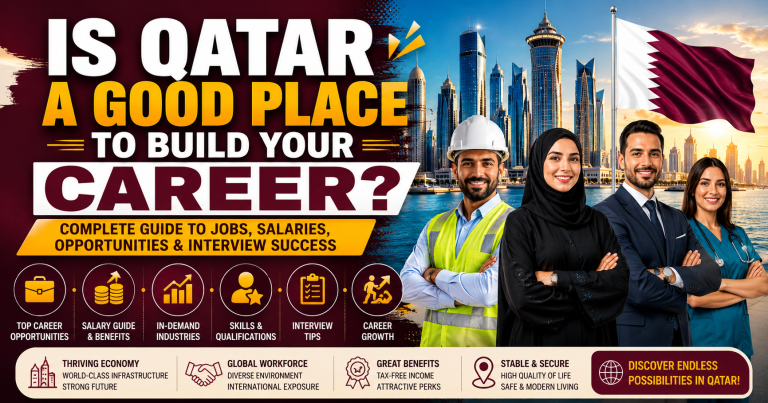
Introduction Qatar has emerged as one of the most attractive career destinations in the Gulf region. With its modern infrastructure, expanding economy, world-class aviation sector,
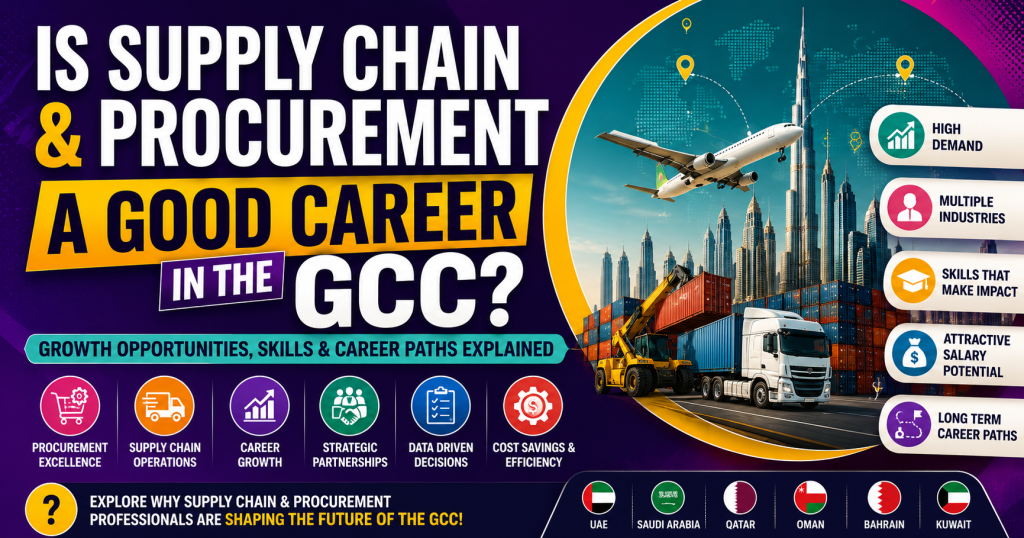
Introduction If you’ve been exploring career options in the Gulf region, you’ve likely come across opportunities in supply chain management and procurement. But is supply chain and procurement actually a good long-term career in the GCC? The short answer is yes. As Gulf economies continue investing in infrastructure, manufacturing, aviation, healthcare, retail, e-commerce, energy, and logistics, organizations need skilled professionals who can manage the movement of goods, negotiate with suppliers, control costs, and ensure business continuity. Supply chain and procurement professionals play a crucial role behind the scenes. Whether it’s ensuring hospitals receive medical supplies, airlines obtain aircraft components, retailers
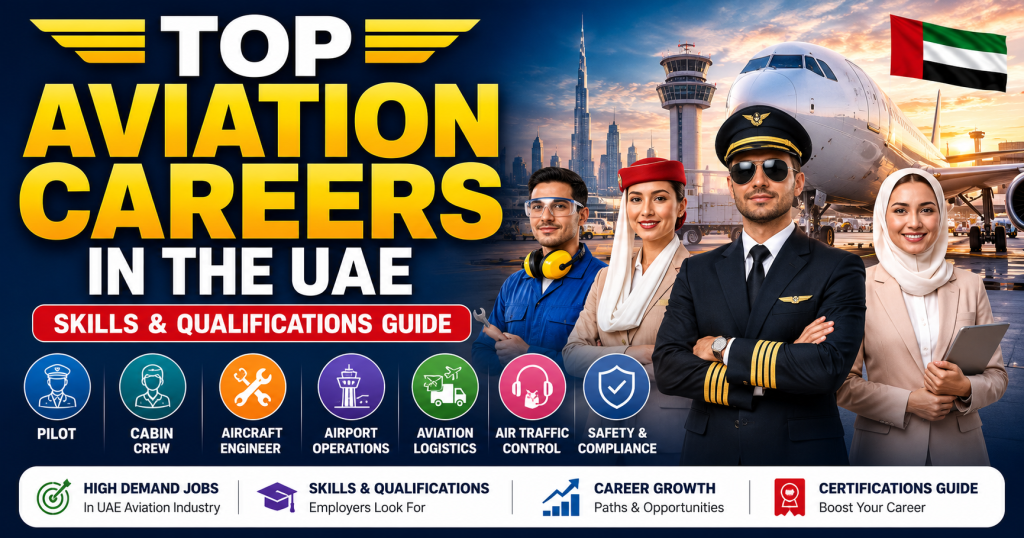
Introduction The United Arab Emirates has transformed itself into one of the world’s most important aviation hubs. Every day, millions of passengers and thousands of tons of cargo move through the country’s airports, supported by a vast network of aviation professionals working behind the scenes. While pilots and cabin crew often receive the most attention, the aviation industry offers career opportunities across engineering, logistics, airport operations, safety management, procurement, customer service, air cargo, information technology, and corporate functions. For job seekers, this creates an important opportunity. Aviation careers are no longer limited to individuals pursuing flight training. Professionals from technical,
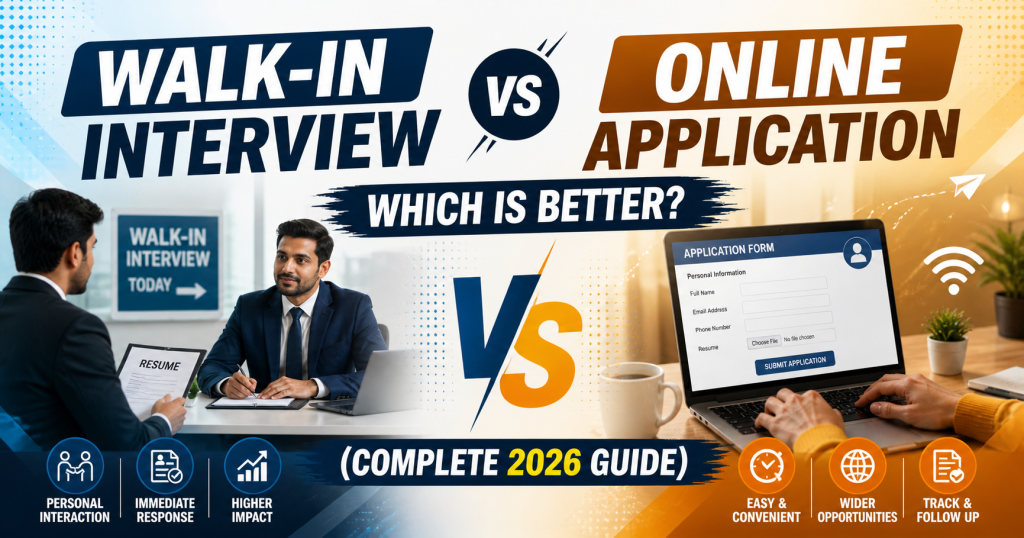
For job seekers targeting Gulf countries and international careers, one common question creates confusion: should you attend walk-in interviews or apply online? Both methods are widely used in 2026, and each has its own advantages, limitations, and suitability depending on your profile, location, and urgency. Many candidates fail to choose the right approach. Some depend only on online applications and get no response, while others attend multiple walk-ins without success. The truth is, there is no one-size-fits-all answer. The better option depends on your situation, preparation, and job type. This guide will clearly explain the difference between walk-in interviews and
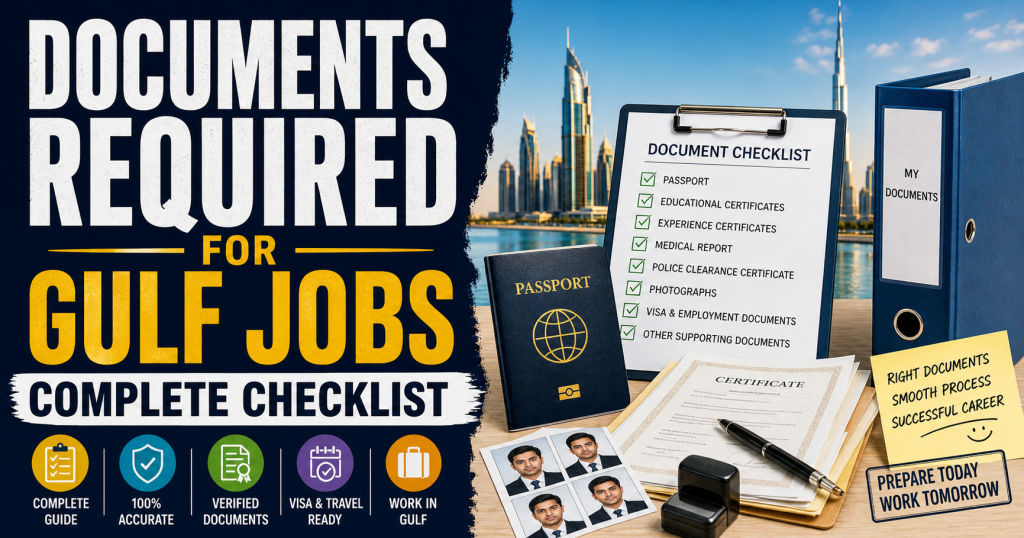
For anyone planning to work in Gulf countries like the UAE, Saudi Arabia, Qatar, Oman, Kuwait, or Bahrain, having the right documents is not just important—it is absolutely essential. Many job seekers lose good opportunities not because they lack skills, but because they are not prepared with the correct documents at the right time. In the Gulf hiring process, documentation plays a critical role at every stage—from applying for jobs to visa approval and final joining. Employers, immigration authorities, and government systems require accurate, verified, and legally valid documents before allowing you to work. This complete checklist will guide you
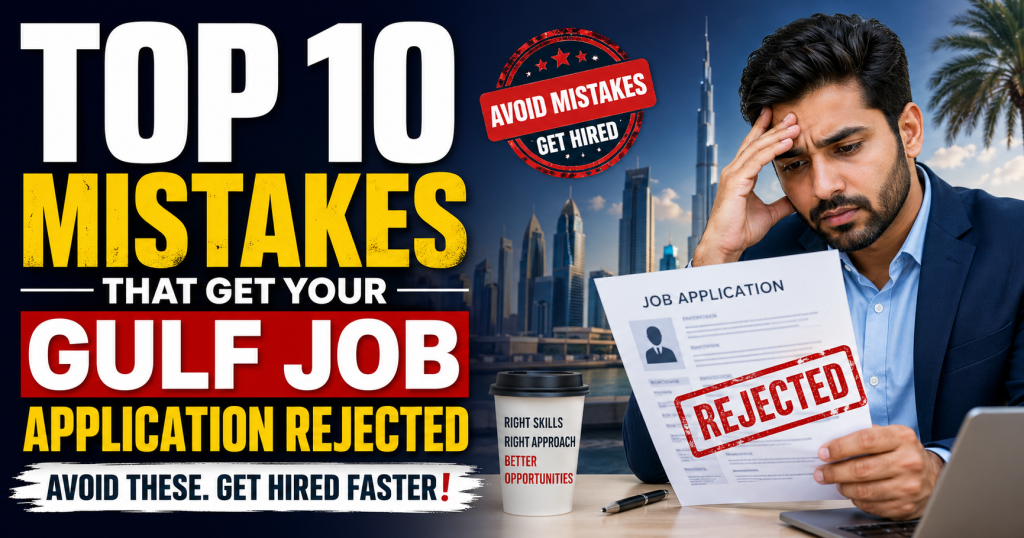
For millions of job seekers, working in Gulf countries like the UAE, Saudi Arabia, Qatar, Oman, and Kuwait is more than just a job—it’s a major life goal. The attraction is obvious: tax-free income, career growth, international exposure, and better living standards. Especially for candidates from India, the Gulf job market continues to be one of the most preferred destinations. However, despite sending multiple applications, many candidates fail to receive even a single response. The truth is, most rejections are not due to lack of qualification. Instead, they happen because of simple mistakes that applicants are not even aware of.
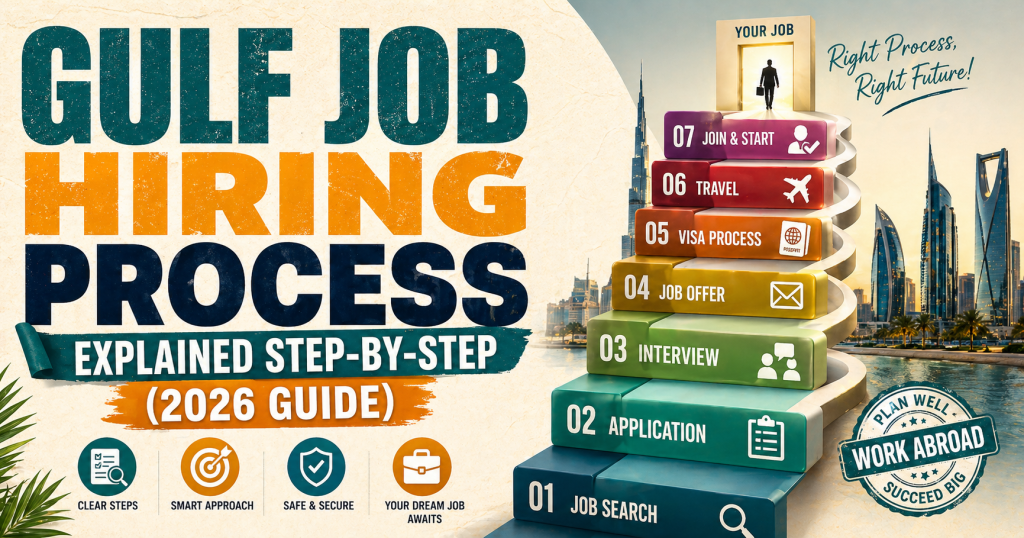
For many job seekers, especially from India and other South Asian countries, working in Gulf nations such as the UAE, Saudi Arabia, Qatar, Oman, Bahrain, and Kuwait is a major career goal. The reasons are clear—tax-free salaries, better job exposure, and opportunities for long-term financial stability. However, one of the biggest challenges candidates face is not understanding how the Gulf hiring process actually works. Many applicants assume that getting a Gulf job is simply about applying and receiving an offer. In reality, the process is structured, competitive, and involves multiple stages—from application to visa stamping. If you don’t understand each
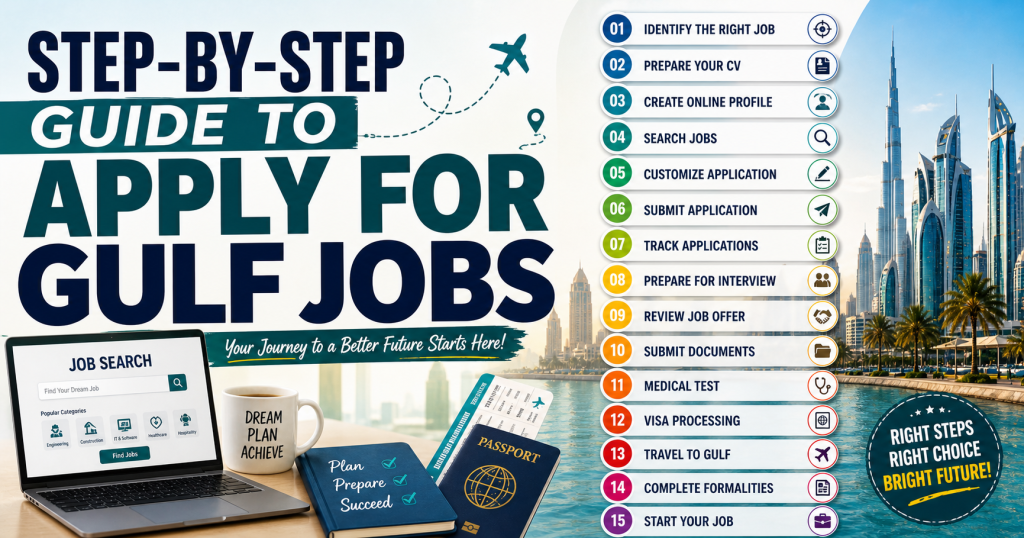
For many job seekers, especially from India, securing a job in Gulf countries like the UAE, Saudi Arabia, Qatar, Oman, Kuwait, and Bahrain is a major life goal. The attraction is clear—tax-free income, better career opportunities, and the ability to support family financially. However, while thousands apply every day, only a limited number succeed. The main reason is not always lack of qualification, but lack of understanding of the correct application process. Applying for Gulf jobs is not just about sending a CV and waiting for a response. It is a structured process that requires planning, preparation, and smart execution.
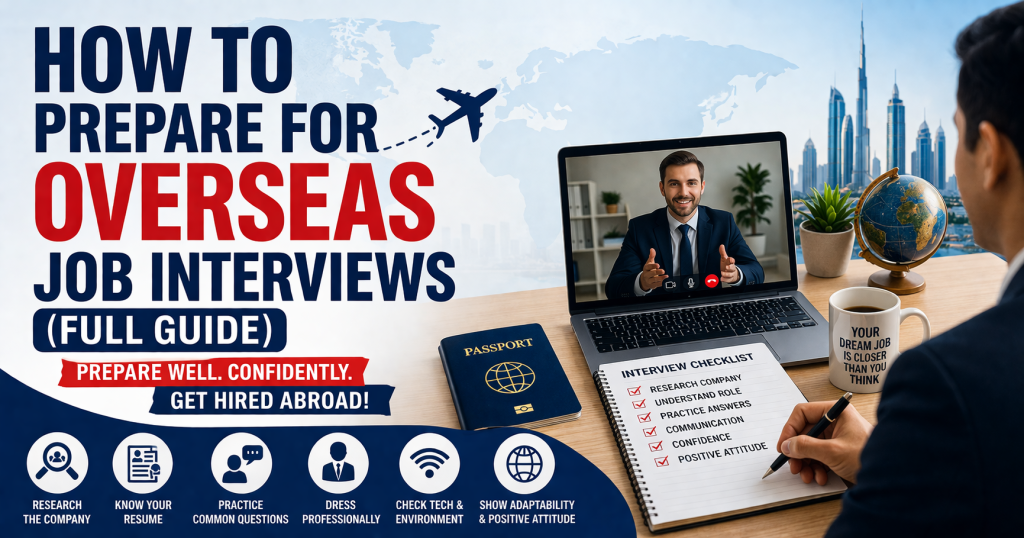
Getting shortlisted for an overseas job is a big achievement, but clearing the interview is what truly determines your success. Whether you are applying for jobs in the Gulf, Europe, or any other international destination, the interview process is often more structured, competitive, and detail-oriented compared to local hiring. Many candidates fail at this stage not because they lack skills, but because they are not properly prepared for the expectations of international employers. Overseas interviews assess not only your technical knowledge but also your communication, attitude, adaptability, and professionalism. This complete guide will help you understand how to prepare effectively
Interviews are one of the most critical stages in the hiring process, especially in competitive job markets like Dubai and other Gulf countries. No matter how strong your resume is, your performance in the interview ultimately determines whether you secure the job. However, many job seekers prepare only for traditional face-to-face interviews, without realizing that employers use different interview methods depending on the role, company, and hiring process. Each interview type has its own structure, expectations, and evaluation criteria. Understanding these interview methods can give you a significant advantage. When you know what to expect, you can prepare effectively, respond