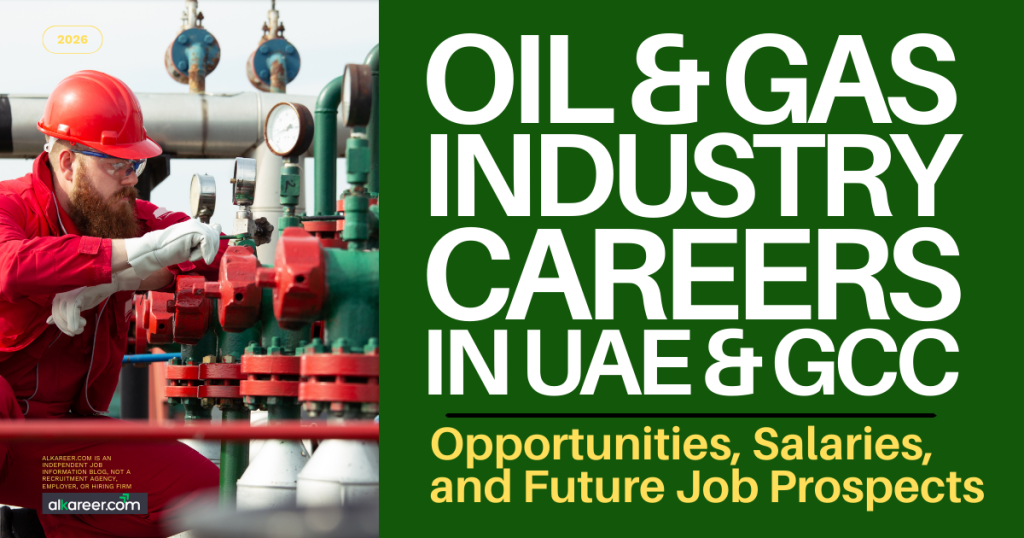
The Oil and Gas industry has been one of the most influential sectors shaping the economic growth of the Gulf region. Countries such as the United Arab Emirates, Saudi Arabia, Qatar, Kuwait, and Oman have built strong economies largely supported by petroleum resources. Because of this, the sector continues to create thousands of employment opportunities for professionals from around the world.
For job seekers looking for stable careers, attractive salaries, and international work experience, the Oil and Gas industry in the UAE and GCC remains one of the most promising sectors. From engineers and technicians to logistics professionals and administrative staff, the industry offers diverse career paths with strong growth potential.
This article provides a complete overview of Oil and Gas industry careers in the UAE and GCC, including job roles, required qualifications, salary expectations, career growth, and how job seekers can enter this competitive sector.
Why the Oil and Gas Industry in the GCC Is a Global Career Hub
The Gulf Cooperation Council (GCC) countries hold some of the largest oil reserves in the world. The UAE alone has invested billions of dollars in exploration, production, refining, and petrochemical projects. This constant expansion creates continuous demand for skilled professionals.
Several factors make the GCC oil and gas sector attractive for international workers. One of the biggest advantages is the tax-free salary structure offered in most Gulf countries. Employees can save a significant portion of their income compared to many Western countries where taxes are high.
Another major advantage is exposure to large-scale projects and advanced technologies. Many multinational companies operate in the region, giving employees the opportunity to work with global teams and cutting-edge equipment.
Additionally, the region offers modern infrastructure, safe living conditions, and high standards of professional development.
What Types of Oil and Gas Jobs Are Available in the UAE and GCC?
The Oil and Gas industry is not limited to drilling operations. It includes a wide range of specialized fields that support the entire production cycle from exploration to distribution.
Upstream Sector Jobs
The upstream sector focuses on exploration and production of crude oil and natural gas. This area requires highly skilled technical professionals.
Common upstream roles include petroleum engineers, drilling engineers, reservoir engineers, geologists, geophysicists, drilling supervisors, and mud engineers. Field technicians and rig workers are also essential to ensure smooth drilling operations.
These jobs usually require technical degrees or specialized training and often involve working at offshore rigs or remote onshore fields.
Midstream Sector Jobs
The midstream sector focuses on transportation and storage of oil and gas. Pipelines, shipping systems, and storage terminals fall under this category.
Typical roles include pipeline engineers, logistics coordinators, safety officers, pipeline technicians, and transport specialists. Professionals working in this sector ensure that petroleum products move safely from production sites to refineries.
Downstream Sector Jobs
The downstream sector deals with refining crude oil into usable products such as gasoline, diesel, jet fuel, and petrochemicals.
Refinery engineers, chemical engineers, plant operators, maintenance technicians, and quality control specialists are common roles in this area. Many jobs are based in large industrial zones where refineries and petrochemical plants operate.
Most In-Demand Oil and Gas Jobs in the UAE
The oil and gas sector requires a combination of engineering, operational, and management roles. Some positions are consistently in high demand due to the complexity of projects and the need for specialized skills.
Petroleum engineers are among the highest paid professionals in the industry because they design methods for extracting oil and gas efficiently. Drilling engineers are also critical because they manage drilling operations and ensure safety during extraction processes.
Another highly sought-after role is that of an HSE (Health, Safety, and Environment) officer. Safety is a top priority in the oil and gas industry, and companies invest heavily in professionals who can maintain strict safety standards.
Project managers and construction managers are also essential because many oil facilities involve massive infrastructure development projects. Skilled welders, pipefitters, and mechanical technicians also find good opportunities in this sector.
Qualifications Required for Oil and Gas Careers
Different roles require different levels of education and training. Engineering positions usually require a bachelor’s degree in petroleum engineering, mechanical engineering, chemical engineering, or electrical engineering.
Technical and operational roles may require diplomas in engineering technology, industrial training, or vocational certifications.
Many employers also prefer candidates who have industry-specific certifications. Certifications related to safety, offshore operations, and project management can significantly increase employment opportunities.
Work experience is another important factor. Most companies prefer candidates with at least two to five years of experience in similar roles. However, entry-level opportunities are also available for fresh graduates through graduate trainee programs.
Oil and Gas Salary Expectations in the UAE and GCC
One of the main reasons professionals are attracted to the oil and gas sector is the competitive salary packages.
Entry-level engineers in the UAE typically earn between AED 8,000 and AED 15,000 per month depending on qualifications and company size. Mid-level professionals such as experienced engineers or supervisors can earn between AED 20,000 and AED 35,000 monthly.
Senior professionals including project managers, drilling supervisors, and specialized engineers may earn salaries ranging from AED 40,000 to AED 80,000 or even higher.
Many companies also offer additional benefits such as housing allowance, transportation, annual air tickets, medical insurance, and performance bonuses. Offshore workers often receive rotation schedules such as 28 days on duty followed by 28 days off.
Top Oil and Gas Companies Hiring in the UAE and GCC
The GCC region hosts several major oil companies and international energy corporations that regularly recruit skilled professionals.
In the UAE, companies such as ADNOC and its subsidiaries are among the largest employers in the sector. ADNOC operates multiple offshore and onshore oil fields and offers numerous career opportunities for engineers and technicians.
Other major employers include multinational service companies such as Schlumberger, Halliburton, Baker Hughes, and Weatherford. These companies provide specialized services like drilling technology, reservoir evaluation, and oilfield equipment.
Saudi Arabia’s energy giant Saudi Aramco is another major employer in the region, offering some of the highest-paying oil and gas jobs globally. QatarEnergy and Kuwait Oil Company also recruit thousands of professionals across various disciplines.
Skills Needed to Succeed in the Oil and Gas Industry
While technical qualifications are essential, employers also look for professionals with strong soft skills and problem-solving abilities.
Analytical thinking is critical because engineers must analyze geological data and production performance. Communication skills are also important since many projects involve multinational teams working together.
Adaptability is another valuable trait because oil and gas professionals often work in challenging environments such as offshore platforms or desert locations.
Safety awareness is perhaps the most important skill. Workers must follow strict safety protocols to prevent accidents and protect both people and the environment.
Career Growth Opportunities in the Oil and Gas Sector
The oil and gas industry offers strong career progression for dedicated professionals. Many engineers start their careers as junior engineers or trainees and gradually move into supervisory and management positions.
With experience, professionals can become senior engineers, project managers, operations managers, or technical consultants. Some professionals eventually transition into leadership roles within energy companies.
Additionally, the industry provides opportunities to work in multiple countries. Professionals who gain experience in the GCC often move to projects in Europe, Africa, or North America.
Continuous training programs offered by companies also help employees upgrade their technical skills and stay updated with modern energy technologies.
Future Outlook of Oil and Gas Jobs in the GCC
Despite the global shift toward renewable energy, the oil and gas sector in the GCC remains strong. Many Gulf countries are investing heavily in expanding production capacity and improving refinery infrastructure.
At the same time, energy companies are adopting advanced technologies such as artificial intelligence, digital oilfields, and automation to increase efficiency.
This technological transformation is creating new job roles related to data analysis, robotics, and energy management. Professionals who combine engineering knowledge with digital skills will have strong career prospects in the future.
Furthermore, the GCC’s strategic location and established infrastructure ensure that the region will remain a major global energy supplier for decades.
How to Start a Career in the GCC Oil and Gas Industry
For job seekers who want to enter the oil and gas sector in the UAE or other GCC countries, preparation is key.
First, obtaining the right educational qualification is essential. Engineering degrees or technical diplomas related to petroleum, mechanical, or chemical fields provide a strong foundation.
Second, gaining relevant experience through internships or entry-level roles can significantly improve employment prospects.
Third, job seekers should actively search for opportunities through company career portals, professional networking platforms, and specialized job websites such as alkareer.com.
Finally, preparing a professional CV that highlights technical skills, certifications, and project experience can greatly increase the chances of getting shortlisted by recruiters.
Final Thoughts
The Oil and Gas industry in the UAE and GCC continues to offer exceptional career opportunities for skilled professionals. With high salaries, international exposure, and strong career growth potential, the sector remains one of the most attractive industries for job seekers worldwide.
From engineering and technical roles to management and support functions, the industry provides diverse employment opportunities across the entire energy value chain.
For individuals willing to develop the right skills, gain relevant experience, and stay updated with industry trends, a career in the GCC oil and gas sector can be both financially rewarding and professionally fulfilling.
As energy demand continues to grow and new technologies reshape the industry, the future of oil and gas careers in the Gulf region remains promising for the next generation of professionals.
Latest Oil & Gas Jobs in UAE & GCC
[jobs categories=”oil-gas” show_filters=”true”]
| Disclaimer: Alkareer.com is an independent job information blog and not a recruitment agency. We never charge any fees for job listings. |